
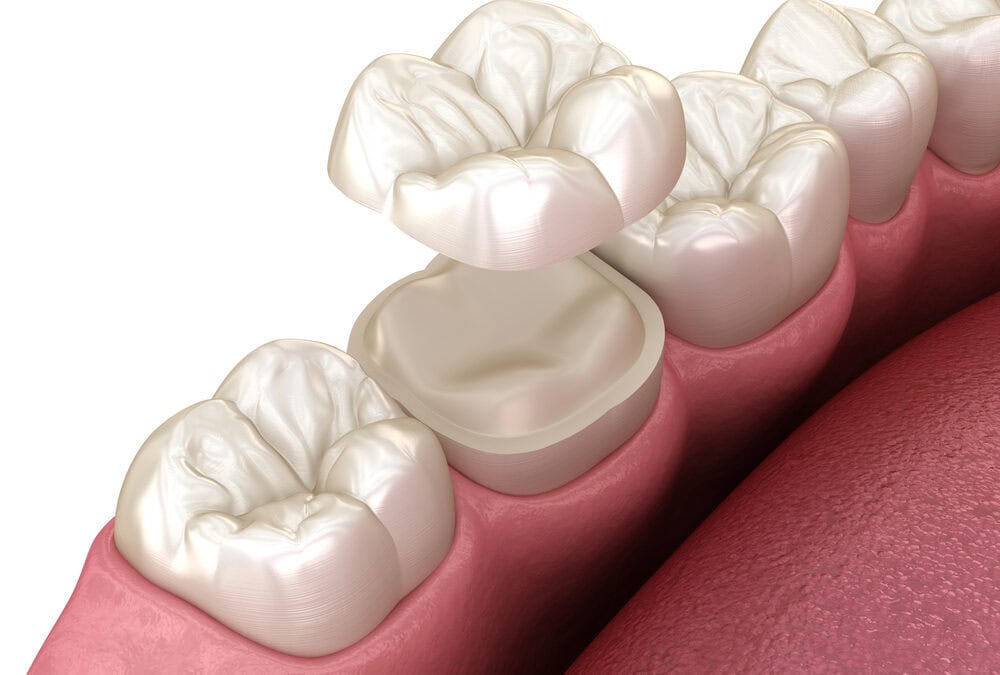
When a tooth becomes damaged by decay, a crack, or wear, one of the most common questions patients ask is, “Do I need a filling or a crown?” While both treatments are designed to restore teeth and protect your oral health, they serve different purposes. The right solution depends on how much of the tooth has been affected and how much strength needs to be restored. If you’re considering same-day crowns in Naperville IL, understanding the differences can help you feel more confident about your treatment plan.
If you have a damaged tooth and want to explore your treatment options, call Dr. Thomas F. Brown’s office at 630-355-3330 to schedule an evaluation.
What Does a Dental Filling Do?
A filling is typically used when a tooth has a cavity or a relatively small area of damage.
During treatment, the dentist removes the damaged portion of the tooth and fills the space with a durable restorative material.
Fillings are often recommended when:
- Decay is caught early
- The tooth remains structurally strong
- Only a small portion of the tooth is affected
When appropriate, fillings can preserve more natural tooth structure while restoring function.
When Is a Crown Needed?
A crown covers the entire visible portion of a tooth above the gumline.
Unlike a filling, which repairs a specific area, a crown provides protection and reinforcement for a tooth that has been significantly weakened.
Crowns are often recommended when:
- A large cavity is present
- A tooth has cracked
- A large filling is failing
- Significant tooth structure has been lost
- A root canal has been completed
The goal is to help prevent further damage while restoring strength and function.
Why Size Matters
One of the biggest factors in choosing between a filling and a crown is the amount of healthy tooth structure remaining.
As more of the tooth is lost, the risk of fracture increases.
In many cases, a filling may not provide enough support for a heavily damaged tooth. A crown can help distribute chewing forces more evenly and reduce the risk of future problems.
Symptoms Don’t Always Tell the Whole Story
Some patients assume that if a tooth doesn’t hurt, a filling must be sufficient.
However, pain is only one factor in treatment planning.
Dentists also evaluate:
- Existing restorations
- Crack patterns
- Bite forces
- Remaining tooth structure
- Long-term prognosis
The recommended treatment is often based on preventing future complications rather than simply addressing current symptoms.
The Advantage of Same-Day Crowns
Traditionally, receiving a dental crown required multiple appointments.
Modern technology now allows many patients to receive same-day crowns in Naperville IL, eliminating the need for temporary crowns and return visits.
Benefits may include:
- Fewer appointments
- Faster treatment
- Digital impressions
- Immediate restoration of function
- Greater convenience for busy schedules
This technology has made restorative dentistry more efficient than ever.
Can a Filling Be Replaced With a Crown Later?
Yes.
In some situations, a filling may eventually need to be replaced with a crown if the tooth experiences additional wear, decay, or damage.
However, waiting too long can sometimes increase the risk of fractures or more extensive treatment needs.
Regular dental examinations help identify problems before they become more serious.
Every Tooth Is Different
Two patients with similar symptoms may receive completely different treatment recommendations.
That’s because treatment decisions are based on the condition of the individual tooth, not simply the presence of a cavity or crack.
A thorough examination allows your dentist to recommend the option that best protects your long-term oral health.
Protect Your Tooth Before Damage Gets Worse
Whether you need a filling or a crown, timely treatment can help prevent additional damage and preserve your natural tooth.
If you have a damaged, cracked, or decayed tooth and would like to learn whether a filling or same-day crown in Naperville IL is right for you, contact Dr. Thomas F. Brown’s office or call 630-355-3330 today to schedule an appointment.