
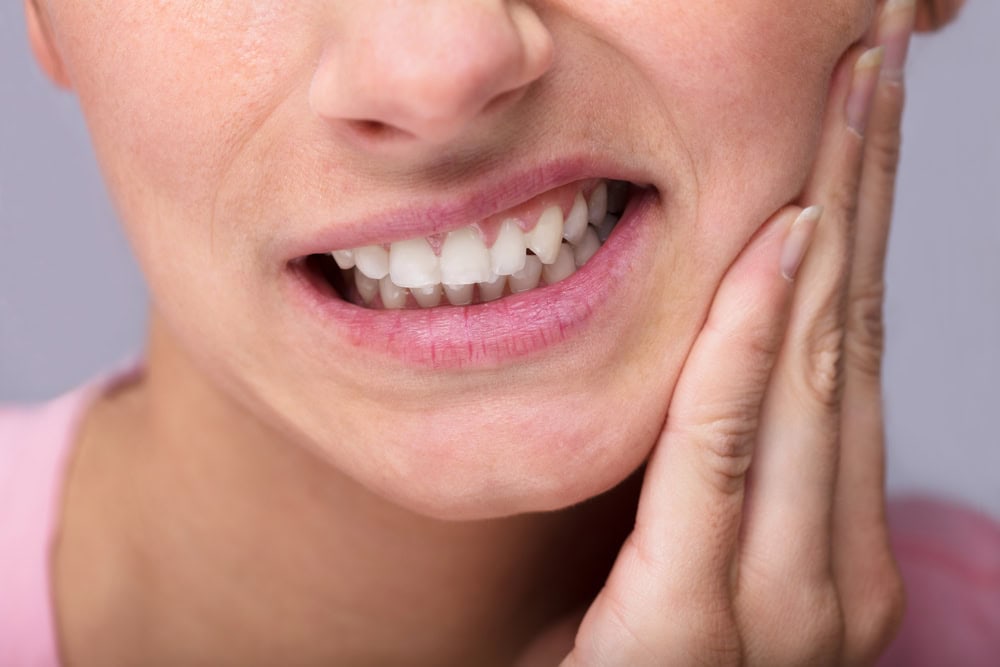
Besides brushing and, hopefully, flossing daily, you may not pay much attention to your mouth unless something hurts. Oral aches, pains, and visually apparent symptoms shouldn’t be ignored and are usually best remedied by a visit to the dentist. From mildly swollen gums and persistent bad breath to loosening teeth and severe dental damage, your body may be urging you toward a dental checkup–even if you did visit us fewer than six months ago. New symptoms warrant investigating.
If you need a Naperville dentist, turn to the team that’s sure to make you smile. At Thomas F. Brown, DDS, Family & Sedation Dentistry, you’ll have access to not one reputable dentist, but a whole team of dentists, hygienists, assistants, and front-office experts. We see patients of all ages and help bring patients out of pain for a future of great oral health, comfortable oral function, and absolutely stunning smiles. Call us today at (630) 296-9225 to schedule a checkup, cleaning, or consultation.
Now let’s look into five of the most common oral health complaints, what they could indicate, and how our team can help you.
Persistent Tooth Sensitivity
Approximately one in eight adults suffers from sensitive teeth, often caused by dental enamel erosion or tooth decay (cavities). If your teeth ache or you experience any pain when eating, drinking, speaking, or cleaning your teeth, we’d like to take a look inside your mouth as soon as possible.
Dental erosion occurs when the protective enamel that coats teeth wears thin, often from consuming acidic foods and beverages or from clenching and grinding your teeth at night (we call this bruxism). Furthermore, cavities, and even the enamel demineralization that occurs before a cavity forms, can lead to toothaches. Over time, both enamel erosion and tooth decay will worsen without professional dental care.
Bleeding or Swollen Gums
Nearly half of all adults have gum disease, which ranges in severity from mild gingivitis, often treated with improved home care and a deep dental cleaning, to advanced periodontitis, which requires surgery and in some cases tooth replacement. The first signs of gum disease are:
- Sore, tender gum tissue
- Reddening or discoloration of gums
- Bleeding when brushing teeth
- Chronic bad breath
- Pus at the gumline
- Gums receding from teeth
While smoking, hormone changes, and the quality of your daily dental hygiene can contribute to gum disease, the condition can also develop without any symptoms in early stages. However, gum disease is a chronic condition that will not heal naturally without professional intervention.
Persistent Bad Breath (Halitosis)
Stinky breath is a burden you don’t have to bear. Most commonly, halitosis is caused by poor oral hygiene, eating smelly foods, or having a persistently dry mouth. Between your six-month checkups and cleanings, plaque that builds up on teeth turns to hard calculus (or tartar) that smells foul, irritates gum tissue, and discolors teeth. We help patients find and treat the cause of halitosis, so they can enjoy good oral health and fresh, clean breath every day.
Cracked, Loose, or Chipped Teeth
Whether caused by an injury, poor oral health, or unknown factors, damaged teeth require a dentist’s evaluation. While loose teeth are commonly caused by accidents or advanced gum disease, cracked or chipped teeth can sustain damage instantly. Biting down on a fork, chewing ice, and even accidentally chomping on a popcorn kernel can instantly crack or chip an otherwise healthy tooth. And with each bite, a crack can worsen.
We provide both restorative and cosmetic dentistry to repair damaged teeth, and when necessary, we can replace loose or lost teeth with crowns, bridges, dentures, or the very popular choice: dental implants.
Jaw Pain & Headaches
You may not initially connect jaw pain and headaches with dental care, but oral health can be a major contributing factor to these symptoms. If you clench and grind your teeth while sleeping, we will see evidence during your exam. Clenching and grinding stresses jaw muscles and surrounding tissues to cause pain, as well as dental damage. Additionally, a misaligned bite (when upper and lower teeth don’t allow the jaws to rest comfortably when the mouth is closed), can lead to TMJ disorders that cause pain in the jaws, face, neck, shoulders, and even to your fingers and toes! We often turn to oral splints, called nightguards, to eliminate bruxism while holding the jaw in a comfortable resting position so that muscles and associated tissues can truly relax and recover.
Stop Pain Before it Escalates. Call Your Naperville Dentist Now!
Do not let small aches and pains become larger, more painful, costly problems. Instead, if a symptom persists more than a few days, or if you sustain a dental injury, turn to the experts, your Naperville dentists at Dr. Brown’s office. Call us now for your dental appointment, at (630) 296-9225. We will relieve your pain, restore your oral health, and balance your bite for a smile that not only looks good, but feels great and functions comfortably.