
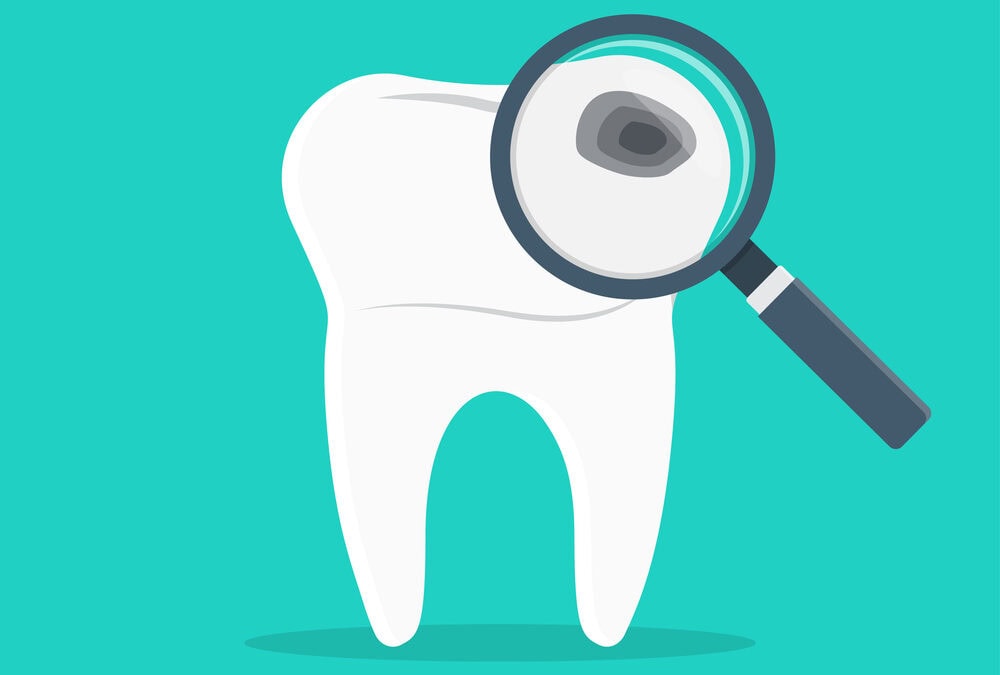
If you are brushing twice a day, flossing regularly, and avoiding sweets, it can feel frustrating to still be getting cavities that require professional dental treatment. Many patients tell Thomas F. Brown, DDS, that they feel like they are doing everything right, yet new cavities continue to show up.
The truth is that cavities are not caused by brushing habits alone. They develop from a mix of bacteria, saliva, diet patterns, enamel strength, and even small daily behaviors. The best way to combat dental decay is to attend regular exams and cleanings with your dentists in Naperville, IL. So, take action – call us at (630) 296-9156 for an appointment today!
When Oral Care Isn’t the Only Factor
Even with excellent brushing and flossing, microbes can remain in hard-to-reach areas, like deep grooves or tight spaces between teeth. These microbes then break down sugars and produce acidic waste that erodes enamel.
Of course, brushing and flossing reduce cavity risk, but they cannot completely eliminate the biological process behind decay. That’s why yearly dental visits are so important.
Hidden Sugar Exposure Throughout the Day
One of the biggest reasons people still get cavities is frequent exposure to sugar – not just large amounts, but constant small ones.
Snacks like crackers, flavored coffee, dried fruit, or sports drinks can feed bacteria just like candy. Every time you eat, your mouth experiences an acid attack that lasts about 20 minutes.
Indeed, our Naperville dentists often find that patients with recurring cavities are not eating more sugar overall, but eating it more often throughout the day.
Dry Mouth Changes Everything
Saliva is one of the body’s strongest defenses against cavities. However, when saliva flow decreases, bacteria grow more easily. This condition is called dry mouth and can be caused by medications, dehydration, stress, or mouth breathing.
Our team frequently sees dry mouth as a hidden cause of repeated cavities, especially in adults taking daily prescriptions.
Genetics and Tooth Structure Play a Role
Some people are naturally more prone to decay because of their genetic makeup, how their teeth are shaped/oriented, or how strong their enamel is. Deep grooves, crowded teeth, or thin enamel can make it harder to clean properly. Even with perfect hygiene, bacteria can remain trapped in these areas.
Acidic Foods and Enamel Wear
It is not just sugar that contributes to dental decay. Acidic foods and drinks can weaken enamel and make teeth more vulnerable. Common examples include citrus fruits, coffee, sparkling water, and vinegar-based foods. These acids soften enamel, making it easier for bacteria to cause damage.
The Power of Fluoride
Luckily, fluoride significantly reduces dental decay by strengthening enamel and making it more resistant to acid attacks. Plus, fluoride disrupts the growth of cavity-causing microbes, which keeps the oral microbiome in balance.
Therefore, our team recommends using fluoride toothpaste and mouthwash daily to keep enamel strong and microbes in check. Furthermore, drink more tap water. Studies consistently show lower rates of cavities in populations with fluoridated water compared to those without it.
Fight Cavities and Get a Healthier Smile with Thomas F. Brown, DDS
Thomas F. Brown, DDS, and his team can help identify underlying causes and create a personalized plan to reduce your cavity risk. So, don’t wait for another cavity to appear – click here to request care now or call us at (630) 296-9156 for an appointment in Naperville, IL.